


Axle Bearing

All Blogs
Blog
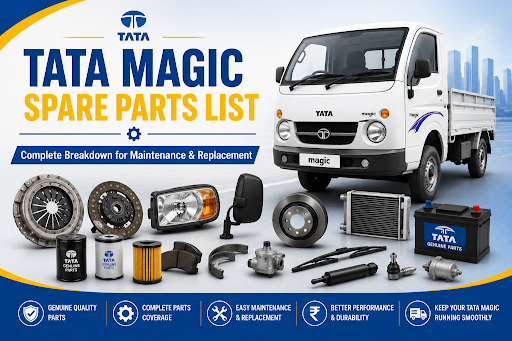
Performance maintenance of the car, for instance, Tata Magic, cannot solely rely on regular servicing alone; rather, it involves using the right type of parts, which should be replaced at the right time. Having a full set of Tata Magic spare parts list may help car owners, as well as mechanics, to easily maintain the car.
This guide will discuss the important components of Tata Magic, their impact on the performance of the car, and the time they should be replaced.
Understanding the Importance of Spare Parts Planning :
Commercial vehicles make money for car owners and operators on a daily basis. This means that a car being out of commission may lead to losses in revenue. Therefore, it is important to know about your vehicle's spare parts and when it would be necessary to replace them. Tata Magic is a durable and reliable car that needs adequate care. Some benefits of proper spare parts management include:- Reducing unexpected breakdowns
- Improving vehicle lifespan
- Ensuring safety and compliance
- Maintaining fuel efficiency
Engine Components: The Heart of Performance :
The engine is one of the most important parts of the Tata Magic. Its condition determines its efficiency and longevity. Engine parts must be regularly checked for any damage, which requires prompt replacement. Essential engine parts include:- Air filter
- Oil filter
- Fuel filter
- Engine oil
- Timing belt
- Spark plugs (in petrol variant)
Transmission System: Smooth Power Delivery :
The transmission system guarantees efficient transfer of power from the engine to the wheels. Main components of the transmission system include:- Clutch plate
- Pressure plate
- Gearbox components
- Drive shaft
Suspension and Steering Components :
The suspension and steering systems play vital roles in transporting people and cargo. The former cushions any shock absorbed by the vehicle, while the latter allows for precise maneuvering. Main spare parts for these systems include:- Shock absorbers
- Leaf springs
- Ball joints
- Tie rod ends
Brake System: Safety Comes First :
An excellent braking system is mandatory in all vehicles. Main spare parts for the braking system include:- Brake pads
- Brake shoes
- Brake discs
- Brake fluid
Electrical Components: Keeping Systems Functional :
Modern automobiles are highly dependent on their electrical systems to work properly. Electrical components:- Battery
- Alternator
- Starter
- Wiring harness
- Headlights and indicators
Body and Exterior Parts :
Although not considered important, there are body parts that contribute to functionality and appearance. Popular body parts spare:- Bumpers
- Doors and handles
- Side mirrors
- Windshield
Cooling System: Preventing Overheating :
The cooling system maintains the engine’s temperature within normal limits. Main components of the cooling system:- Radiator
- Coolant
- Water pump
- Thermostat
A Practical Midway Look at Spare Parts Organization :
In planning the maintenance of a commercial vehicle, having an organized Tata Magic spare parts list proves to be very handy. Rather than responding to equipment failure, you can arrange to replace parts depending on their usage. The best way to do that is through the following steps:- Creating a list of items to be replaced regularly
- Ensuring the availability of important spares
- Maintaining a service record for each item
- Conducting scheduled maintenance
When Should You Replace Spare Parts?
Knowing when to replace spare parts during maintenance is very important. Some guidelines for replacement are as follows:- Filters: After every 5,000–10,000 km
- Engine Oil: After every 7,000–10,000 km
- Brake Pads: Every 20,000–30,000 km (depending on use)
- Clutch: Depending on driving conditions
- Battery: Every 2–3 years
Tips for Choosing the Right Spare Parts
All spare parts are not the same when it comes to quality. It is advisable to select the right type of parts since they will impact your experience in a major way. Considerations should include:- Select only genuine or top-quality parts
- Make sure the spare parts match your vehicle's specifications
- Avoid extremely low-cost alternatives that compromise durability
- Procure from reputable suppliers
Maintaining Efficiency Through Smart Decisions
Maintenance should not be viewed merely as a replacement for worn-out parts, but should be taken up with knowledge of improving the efficiency of the vehicle. A properly maintained Tata Magic offers improved fuel economy and longevity. Maintenance scheduling becomes particularly useful when it comes to maintaining fleets of Tata Magics.Drive Smarter with Reliable Spare Parts Support
Proper management of a car means having the right resources and suppliers at hand. The comprehensive Tata Magic spare parts list will be very helpful because it will enable you to have all necessary components available and avoid any delay in the process of repair and maintenance. When it comes to professional sourcing and support, there is one company that deserves special attention, and it is called TGP India. They specialize in providing customers with high-quality parts, as well as giving useful recommendations regarding the maintenance of their cars. If you need advice on how to use your Tata Magic, you can rely on TGP India. By combining proper planning with trusted sourcing, you can keep your Tata Magic running smoothly and efficiently for years to come.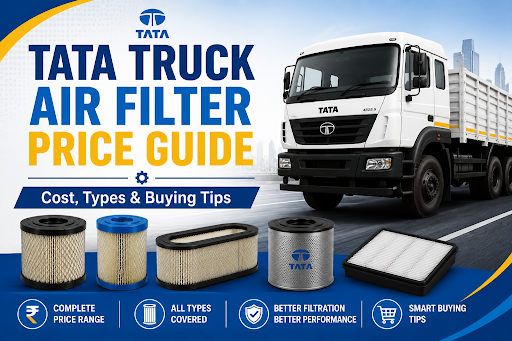
Blog
As far as the performance and durability of such trucks are concerned, air filters are an essential component. If you run a fleet or have only one truck, it is necessary for you to know about the Tata truck air filter price so that you can plan your budget accordingly and avoid unexpected breakdowns. In 2026, when there will be a greater emphasis on fuel economy and emissions control, this will become even more significant.
Why Air Filters Matter for Tata Trucks :
The air filter ensures that only pure air is allowed into the truck's engine. This is due to the rough operating environment of trucks, where dusty construction zones and dusty roads expose them to lots of dirt. An effective air filter:- Protects against dust and dirt particles from reaching the engine
- Increases the efficiency of fuel consumption
- Improves engine efficiency
- Decreases maintenance expenses in the long term
Types of Air Filters Used in Tata Trucks :
Knowledge regarding the different types of air filters available gives you the ability to choose what suits your truck the best.1. Paper Air Filters
These are the most frequently used air filters in the commercial vehicle industry since they are composed of pleated paper, which is affordable and more effective. Best for: Regular driving conditions and normal replacements2. Foam Air Filters
As compared to the paper filters, these are much more effective when it comes to filtration in case the environment is very dusty, since they capture fine particles. These are reusable once cleaned. Best for: Construction sites and off-road driving conditions3. Oil Bath Air Filters
These are durable air filters whose main function is the use of oil in trapping dust and particles. The filters are meant to be used in heavy-duty tasks. Best for: Old truck models and heavy-duty industrial usage4. High-Performance Air Filters
High-performance filters are designed to provide better airflow and increased engine efficiency at the expense of slightly higher prices. Best for: Long-distance trucks and performance-oriented applicationsCost Breakdown in 2026 :
The prices for air filters for Tata trucks vary according to the model of the air filter and also its quality. Below are some average prices for the various types of air filters used by Tata trucks.- Standard paper filters: ₹300 - ₹1,200
- Foam filters: ₹800 - ₹2,000
- Oil bath filters: ₹1,500 - ₹3,500
- High-performance filters: ₹2,000 - ₹5,000+
- Truck model and engine type
- Filter material and durability
- OEM vs aftermarket parts
- Supplier reliability
How to Identify the Right Air Filter :
Choosing the right air filter is not all about costs. The following tips can assist you in selecting the right air filters:Check Manufacturer Specifications
The manufacturer’s manual will guide you on the right size and kind of filters to buy.Consider Driving Conditions
If your trucks are being driven in an unfriendly environment, ensure that you purchase highly efficient filters.Evaluate Replacement Frequency
There are filters that have to be changed frequently, while others can be cleaned and used again.Compare OEM vs Aftermarket Options
- OEM filters always match perfectly
- Aftermarket filters vary in terms of quality and may be cheaper
Signs Your Air Filter Needs Replacement :
Using an expired filter can affect the vehicle's performance. Pay attention to these signs:- Decreased fuel economy
- Engine power decrease
- Black smoke from the exhaust
- Unusual engine noise
- Appearance of a dirty and clogged filter
Mid-Year Pricing Trends and Market Insights :
By 2026, the Indian commercial vehicle parts market will have recorded slight price variations arising from supply chain modifications and increased demand. Vehicle fleets have started being proactive in preventive maintenance practices, thus raising demand for quality air filters. In such cases, information on the cost of the Tata truck air filter will be crucial in seeking the best possible balance between affordability and functionality. While cheaper products may seem attractive, quality filters can be more economical due to their ability to increase efficiency and reduce wear.Buying Tips for Smart Fleet Management :
When managing a fleet, effective buying of air filters can play a crucial role.Smart Buying Practices:
- Purchase in bulk to save money
- Work with reputable dealers
- Schedule regular replacements
- Avoid purchasing low-quality parts
Storage and Handling Tips:
- Store the filters in a dry and clean place
- Prevent the filters from moisture exposure
- Use the filters before their expiration
Maintenance Best Practices :
The most effective air filters can only function effectively if properly maintained. Here are some practices that you should follow:- Regular inspection of filters
- Cleaning of reusable filters according to recommendations
- Replacement of filters at specific time intervals
- Engine monitoring after replacing the filter
Making the Right Investment for Long-Term Performance:
Selecting an appropriate air filter for your truck isn’t just about routine maintenance. It’s a critical decision that influences its long-term efficiency and durability. With many different models available in the year 2026, knowing the price of Tata truck air filters makes it easy for you to save money without affecting its performance. TGP India is an ideal choice for people who prefer authentic spare parts along with sound advice. By offering high-quality items, cost-effective solutions, and customer services, they help fleet managers and independent drivers make the right decision. If you wish to seek help in choosing the most suitable filters or prefer a dependable source, then opting for TGP India is surely worthwhile. With the highly competitive market conditions prevailing in the transport industry at present, such decisions can have a significant impact on operations.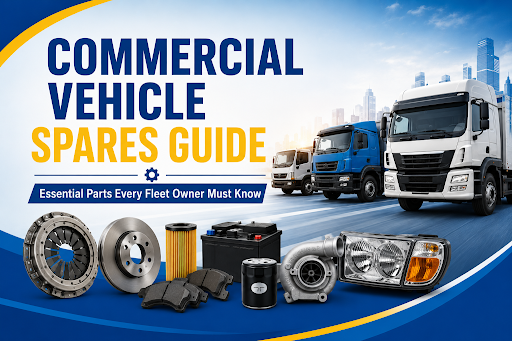
Blog
Fleet management goes beyond just ensuring that the commercial vehicles are in operation; fleet management involves ensuring reliability, efficiency, and safety on all levels during the process. One of the key areas in fleet management involves comprehending commercial vehicle spares and their importance when it comes to performance and reliability. Irrespective of whether you own trucks, buses, or delivery vans, it is important for you to have a good idea about which spare parts will be essential in making your fleet reliable.
Why Spare Parts Matter More Than You Think :
Every commercial vehicle consists of several hundred components, operating in extreme conditions. It doesn't matter if you have to transport over large distances, carry heavy cargo, or navigate difficult terrain. Quality spare parts not only increase the lifespan of the vehicle but also help to minimize breakdowns. If the spare parts used are of poor quality or not compatible with the vehicle, they may cause frequent breakdowns, possible safety hazards, and high operational costs. If you own a fleet of vehicles, that means time losses and angry customers.Engine Components: The Heart of Every Vehicle :
Your engine is the heart and soul of your vehicle, and hence, to maintain the best possible performance of your fleet, the following engine components need special consideration:- Oil filters: Keep your oil clean and protect the engine
- Air filters: Keep the engine protected from dirt and particles, particularly in tough environments
- Fuel injectors: Optimal fuel burning and engine efficiency
- Timing belts and chains: Essential in keeping your engine synchronized
Braking System: Safety Comes First :
Safety should always be a priority when using your vehicle commercially. Therefore, the braking system is very important in ensuring that you do not cause an accident and have faith in yourself. Some components of your braking system include:- Brake pads and rotors
- Brake drums
- Air brake systems (used in heavy trucks)
- Brake fluid
Suspension and Steering: Comfort Meets Control :
Your suspension system will keep your truck stable, distribute the weight of your cargo evenly, and ensure that you have a comfortable ride. It will also help minimize the wear and tear on other parts of your truck. Some critical parts of your suspension and steering system include:- Shock absorbers
- Leaf springs
- Bushings
- Steering linkages
Transmission and Clutch: Power Delivery Matters :
The transmission system ensures the transfer of power generated by the engine to the driving wheels. Malfunctions in the transmission affect the performance of the vehicle significantly. The transmission requires such elements as:- Clutch plates
- Gearbox components
- Drive shafts
- Bearings
Transmission and Clutch: Power Delivery Matters :
Nowadays, most commercial trucks use electric systems intensively, thus even small failures may cause disruptions in normal performance. Among the necessary spare parts are:- Batteries
- Alternators
- Starter motors
- Wiring and fuses
Tires: The Only Point of Contact :
Tires may be considered underutilized components of commercial trucks. However, they influence the efficiency and safety of the operation of any truck significantly. Good practices include:- Regular control of the pressure
- Correct rotation of tires
- Checking tread depth
- Replacement of worn-out tires
Cooling System: Preventing Overheating :
Commercial vehicles operate in harsh environments. Thus, having a working cooling system is necessary to prevent the engine from overheating. Key components of a cooling system include:- Radiators
- Coolant hoses
- Water pumps
- Thermostats
Midway Maintenance Insight for Fleet Owners :
Understanding commercial vehicle spare parts is not enough. One must consider how to approach maintenance. This means that:- Stock of critical spare parts
- Collaboration with dependable suppliers
- Driver training in the early detection of problem indicators
- Service logs for individual vehicles
Choosing Quality Over Cost :
Although choosing more affordable options might appear appealing, subpar spares are likely to result in higher expenses in the long term. Authentic and high-end spare parts provide greater longevity, superior fit, and better efficiency. While picking spare parts, take into account:- Manufacturer specifications
- Guarantees provided
- The supplier’s credentials
- Compatibility with the particular model of your vehicle
Smart Inventory Management for Spares :
Proper inventory management is essential for efficient fleet maintenance. The proper availability of required parts will minimize the risk of downtimes. Inventory control recommendations include:- Listing of frequently used spare parts
- Monitoring of spare parts usage trends
- Avoidance of excess or deficiency of inventory
- Digital solutions for monitoring spare parts inventory