

Top 5 Essential Spare Parts for Tata Motors Commercial Vehicles and Their Functions

by | Aug 27, 2024 | Blog

Top 5 Essential Spare Parts for Tata Motors Commercial Vehicles and Their Functions

  1. Engine Parts: The Heart of Your Vehicle
  2. Transmission Parts: The Power Translators
  3. Braking System: Safety on the Road
  4. Suspension Parts: Ensuring a Smooth Ride
  5. Electrical Components: Powering the Essentials

Choose TGP India for Genuine Spare Parts

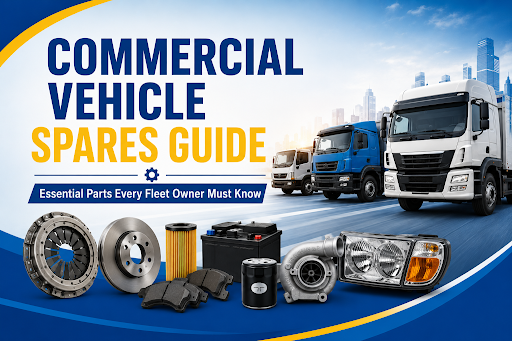
Tata Motors is one of the leading manufacturers of commercial vehicles globally, known for their robust design, durability, and performance. However, to maintain the efficiency and longevity of these vehicles, using the right spare parts is crucial. Understanding the essential spare parts for Tata Motors commercial vehicles spare parts and their functions can help in ensuring that the vehicle runs smoothly with minimal downtime. This blog delves into the top five essential spare parts for Tata Motors commercial vehicles, their functions, and why they are indispensable for vehicle maintenance.

1. Engine Parts: The Heart of Your Vehicle

The engine is the core component of any vehicle, and Tata Motors commercial vehicles spare parts are no exception. Engine parts, including pistons, crankshafts, camshafts, and cylinder heads, play a vital role in ensuring the vehicle’s optimal performance.

  • Pistons: Pistons are responsible for converting fuel into energy through combustion. They move up and down within the cylinders, creating the necessary power to propel the vehicle.
  • Crankshafts: Crankshafts convert the linear motion of the pistons into rotational motion, which then drives the wheels.
  • Camshafts: Camshafts control the opening and closing of the engine’s intake and exhaust valves, which is crucial for the timing of fuel combustion.
  • Cylinder Heads: The cylinder head sits above the cylinders and forms the combustion chamber. It plays a crucial role in controlling the flow of fuel and air into the engine and exhaust gases out of the engine.

Regular maintenance of these engine parts ensures that the vehicle runs efficiently and prevents costly repairs down the line.

2. Transmission Parts: The Power Translators

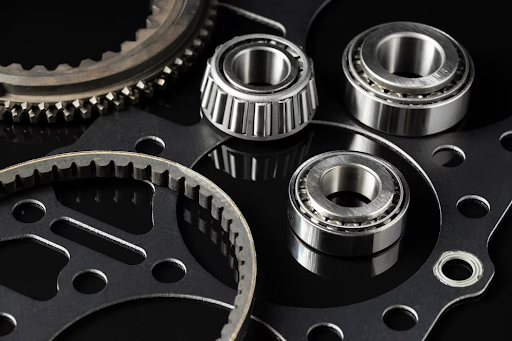
The transmission system in every commercial vehicle of Tata Motors conveys the power of the engine to the wheels. The transmission system comprises a clutch, gearbox, and drive shafts.

  • Clutch: The clutch is a mechanical device that engages and disengages the power transmission between the engine and the wheels. It allows the driver to control the vehicle’s speed and smoothly change gears.
  • Gearbox: The gearbox, or transmission, changes the engine’s speed to torque and drives the wheels at various speeds. It is vital for the vehicle’s fuel efficiency and performance.
  • Drive Shafts: Drive shafts transfer the torque from the transmission to the differential, which then turns the wheels. They are essential for maintaining the vehicle’s stability and handling.

Using genuine Tata Motors commercial vehicles spare parts for the transmission system ensures smooth gear shifts, improved fuel efficiency, and extended vehicle lifespan.

3. Braking System: Safety on the Road

The braking system is one of the most critical safety components in any vehicle. For Tata Motors commercial vehicles, a well-maintained braking system ensures not only the safety of the driver but also of the cargo and other road users.

  • Brake Pads: Brake pads press against the brake rotors to slow down or stop the vehicle. Regularly checking and replacing brake pads is essential for optimal braking performance.
  • Brake Rotors: Brake rotors work in tandem with the brake pads to bring the vehicle to a halt. Worn-out rotors can lead to reduced braking efficiency and increased stopping distances.
  • Brake Fluid: Brake fluid transfers the force applied to the brake pedal to the brake components. Keeping the brake fluid at the proper level and ensuring it is free of contaminants is vital for the braking system’s effectiveness.

Regular inspection and replacement of these components with genuine Tata Motors commercial vehicles spare parts to ensure that the braking system remains reliable and responsive.

4. Suspension Parts: Ensuring a Smooth Ride

A Tata Motors commercial vehicle’s suspension system is in charge of ensuring a smooth ride, especially over uneven terrain. It is essential for preserving the vehicle’s handling and stability as well.

  • Shock Absorbers: Shock absorbers dampen the impact of road irregularities, ensuring a smoother ride. They also prevent the vehicle from bouncing excessively after hitting a bump.
  • Springs: Springs support the vehicle’s weight and absorb shocks from the road surface. They work in conjunction with the shock absorbers to provide a comfortable ride.
  • Control Arms: Control arms connect the suspension system to the vehicle’s frame and allow the wheels to move up and down while maintaining proper alignment.

Using genuine Tata Motors commercial vehicles spare parts for the suspension system ensures that the vehicle remains stable and comfortable, even on the toughest roads.

5. Electrical Components: Powering the Essentials

Electrical components in a Tata Motors commercial vehicle are responsible for powering various essential systems, including lighting, ignition, and charging systems. These components include batteries, alternators, and starters.

  • Battery: The battery provides the electrical energy needed to start the engine and power various electrical systems when the engine is off. Regularly checking the battery’s health and replacing it when necessary ensures that the vehicle starts reliably.
  • Alternator: The alternator charges the battery and powers the vehicle’s electrical systems while the engine is running. A faulty alternator can lead to a dead battery and cause the vehicle to break down unexpectedly.
  • Starter: The starter motor is responsible for turning the engine over when the ignition key is turned. Ensuring that the starter is in good working condition is crucial for reliable vehicle operation.

Maintaining these electrical components with genuine Tata Motors commercial vehicles spare parts ensures that the vehicle’s electrical systems function properly, reducing the risk of unexpected breakdowns.

Choose TGP India for Genuine Spare Parts

Maintaining a Tata Motors commercial vehicle requires a comprehensive understanding of the essential spare parts and their functions. Using genuine Tata Motors commercial vehicles spare parts for the engine, transmission, braking system, suspension, and electrical components ensures that the vehicle remains reliable, efficient, and safe on the road. Regular inspection and timely replacement of these parts are crucial for minimizing downtime and extending the vehicle’s lifespan.

When it comes to sourcing genuine spare parts for your Tata Motors commercial vehicles, TGP India is your trusted partner. TGP India offers a wide range of high-quality spare parts that are specifically designed to meet the rigorous standards set by Tata Motors. Whether you need engine components, transmission parts, or electrical components, TGP India has you covered. Don’t compromise on quality—choose TGP India for all your Tata Motors commercial vehicles spare parts needs.

All Blogs
Blog
An automobile engine is a complex system consisting of hundreds of components that work at a high speed in extreme heat and pressure conditions. At the heart of this complex system is engine oil, which works tirelessly to perform several critical tasks that make automobile engines reliable and efficient. From our point of view as lubrication experts, engine oil is more than a consumable item; it is a protective barrier that shields automobile engine parts from wear, deposits, and mechanical stress from the very first ignition.

Why Engine Protection Begins with Lubrication

Each time an engine starts, metal parts come into contact with each other before the engine reaches its optimal operating temperature. Even this initial stage can cause permanent damage to the engine if it is not properly lubricated. Engine oil creates a thin yet resilient barrier between moving engine parts to prevent direct contact between metal surfaces. This protective barrier is particularly important for engine parts such as pistons, crankshafts, camshafts, and bearings, which are constantly subjected to friction. Engine oil does more than just prevent friction between engine parts. It also helps to stabilize engine performance. A well-lubricated engine runs smoother, responds better under load, and maintains consistent power delivery, especially during long drives or stop-and-go traffic conditions.

Managing Heat Inside the Engine

Combustion produces very high temperatures, and although the cooling system is responsible for getting rid of some of this heat, engine oil is just as important. Oil absorbs heat as it moves through the engine and automobile ries it away from areas that coolant can not reach by itself. This function of oil helps to:
  • Avoid the overheating of internal parts.
  • Keep the oil viscosity stable when the temperature rises.
  • Reduce thermal stress that can deform or weaken parts
When engine oil is working properly, the internal components are basically protected against excessive heating, even when the engine is heavily loaded.

Keeping the Engine Clean from Within

Various contaminants, like automobile bon deposits, soot, and tiny metal particles, are naturally formed inside the engine. If these contaminants are ignored, they will eventually accumulate on internal surfaces and limit the movement of parts. The latest engine oils contain detergents and dispersants that continuously clean the oil by catching and holding the impurities until an oil change gets rid of them. This cleaning from inside plays a major role in safeguarding those automobile engine parts that depend on the clearance between the parts to be very accurate. Besides, properly sealed engine parts can achieve better sealing, and the engine will serve its lifespan without a drop in performance.

How Engine Oil Supports Sealing and Power Consistency

The role of engine oil extends beyond lubrication and cleanliness as it contributes significantly to engine sealing and power output stabilization. The stable oil film assists in filling the tiny gaps between the moving parts, particularly at the piston rings and cylinder walls. This not only makes the combustion more efficient due to better compression but also saves energy, which is then reflected in the engine's reliable performance over time. Some of the major ways in which engine oil helps sealing and power balance are:
  • Enabling piston rings to form an effective seal against the cylinder walls
  • Reducing blow-by, where unburnt gases escape into the crankcase
  • Facilitating uniform combustion for enhanced engine response
  • Decreasing vibration and noise caused by the irregular movement of components
When engine oil does its job well, it helps in maintaining the smooth operation of various key systems, which helps to ensure engine reliability without putting additional stress on the engine’s internal components.

Protection Against Corrosion and Oxidation

Corrosion and oxidation can be major problems leading to the deterioration of an engine's internal components. When a vehicle is not used regularly or is only driven for short distances, it's prone to collect moisture, fuel residues, and air, which is the main reason for corrosion. Engine oil is capable of forming a layer on metal surfaces, which prevents the formation of rust and the metals from reacting chemically. Additionally, high-quality oils resist oxidation, which prevents oil thickening and sludge formation. With such a high level of resistance, oil can continue to run inside the engine without any problem and reach all the parts that are most vulnerable without any restriction.

Supporting Engine Longevity and Efficiency

Engine wear is a gradual process, but the right lubrication strategy can slow it significantly. Engine oil helps to extend the life of major systems by reducing friction, controlling deposits, and stabilizing operating temperatures. Engines that are kept in good condition by regular and timely oil changes and monitoring will definitely run efficiently. Lower friction means less energy is wasted inside the engine, which in turn makes the engine run smoothly and saves more fuel over time. Regular oil monitoring and timely replacement are, therefore, key practices in responsible vehicle ownership.

Understanding Oil Performance Across Driving Conditions

Different conditions demand different performance levels from engine oils. Congested city traffic, long highway cruising, automobile carrying heavy loads, and extreme temperatures are all very different scenarios that affect oil performance. Therefore, the quality, formulation, and consistency of the oil become just as important as the intervals at which the oil is changed. Engines subjected to:
  • Short, frequently repeated trips create a strong need for control
  • Thermal stability is the requirement of high-speed driving
  • Wear resistance enhancement for heavy-duty usage
Choosing the oil that fits the actual usage will result in the vehicle getting the right amount of protection, whatever the changes in conditions.

A Long-Term View on Engine Automobile

The essential function of engine oil is to prevent damage rather than fix it. It works continuously in the background, protecting surfaces that are never visible but always essential. If the engine oil does its role efficiently, the automobile engine parts stay protected, in balance, and capable of providing reliable performance for many years. From our experience in providing lubrication solutions, we believe informed engine care begins with understanding how oil works inside the engine and why quality matters. By concentrating on good lubrication habits and dependable formulations, backed up by well-known brands such as TGP India, the vehicle owners are guaranteed not only performance but also gaining useful knowledge about engine oil, automotive lubricants, automobile engine maintenance, synthetic engine oil, and oil change intervals that are instrumental in ensuring the long life of the engine.
Blog
Quality assurance is not something that we check off a list, but it is something that we do constantly as we inspect, service, and support every vehicle that comes into our facility. As a Tata Motors authorised dealer, we operate under a defined quality framework that is in line with the manufacturer's quality standards and yet meets the demands of the real world. A structured approach to quality has been one of our differentiators right from the start of the journey.

A Structured Approach to Quality from Day One

Every quality process starts long before a vehicle enters the service bay. Right from the receipt of vehicles and spares to their final delivery, all processes are carried out following the procedures laid down by Tata Motors. This ensures that there is no activity left to individual discretion, thereby reducing variability. We have standard operating procedures for diagnosis, repair, replacement, and final inspection after servicing. These procedures are periodically updated to reflect changes in vehicle technology, government regulations, and usage patterns.

Technician Training and Skill Certification

Quality outcomes depend heavily on the people executing the work. That is why technician training is one of the areas we put our greatest emphasis on. Our service technicians are exposed to regular technical training that covers:
  • New vehicle platforms and engine technologies
  • Updated diagnostic tools and software
  • Safety protocols and compliance standards
  • Best practices for preventive maintenance
Certifications are not treated as one-time achievements. The technicians' skills are reassessed periodically to keep them up to date with technological advances.

Use of Approved Tools and Diagnostic Systems

Diagnosis is the first step in effective repair. We use only the diagnostic equipment and tools that are approved by the vehicle manufacturer and made for Tata Motors automobiles. These systems give us the exact location of the problem, which allows us to replace only the necessary parts and fix the root cause of the problem rather than just the symptoms. The calibration of the tools is performed on a regular basis, and the records are maintained.

Process Accuracy Through Digital Service Records

In addition to mechanical tools and equipment, the use of digital process control is increasingly being seen as an effective way to ensure accurate servicing. Service records, diagnostic reports, and maintenance histories are digitally logged in a structured manner, thus reducing the possibilities of manual mistakes and making it easy to trace the history. The real-time vehicle action record system improves coordination amongst support advisors, technicians, and quality supervisors. This data-driven method also helps uncover recurring issues and enables maintenance practices to be fine-tuned based on the vehicle's actual use patterns.

Quality Audits and Compliance Reviews

Internal and external audits are of immense importance in maintaining the consistency of service operations. As a Tata Motors authorised dealer, we undergo quality audits that not only check our adherence to the service standards but also our workshop safety, documentation accuracy, and customer handling procedures. These audits are not considered as a way to find faults. Instead, they guide us towards uncovering further points of improvement, making our operations more efficient, and raising accountability at every level of the work hierarchy.

Genuine Parts Handling and Traceability

The quality of spare parts markedly influences the vehicle's performance and its longevity. We fully adhere to the procedures of parts storage, handling, and issuance to ensure that the service and repair are done with only genuine parts. The inventory management systems are able to account for all the parts, thus ensuring traceability from the time of receipt to the time of installation. Such procedures significantly reduce the possibility of errors, prevent mix-ups, and make it easy to comply with the warranty requirements.

Multi-Stage Inspection Before Delivery

Before handing over the keys to the customer, a vehicle goes through several inspection phases. These examinations are aimed at:
  • The reported concern has been resolved
  • No new issues have been introduced during service
  • Safety-critical systems function as intended
  • Cleanliness and presentation meet defined standards
Only after these validations is the vehicle cleared for delivery. This layered inspection approach minimizes rework and enhances customer confidence.

Workshop Discipline as a Quality Enabler

A well-organized and safe workshop environment is a critical but often overlooked component of quality assurance. By clearly marking work areas, following safety protocols, and practicing good housekeeping, work efficiency can be improved and mistakes reduced. Clean workspaces help prevent contamination, misplaced components, and accidental damage during repairs. Strict work discipline is just as important as technical skill in delivering quality. It ensures the environment in which the work is done is controlled and suitable.

Customer Feedback as a Quality Input

Delivering quality is a continuous process. We keep a finger on the pulse of our customers' satisfaction by regularly reviewing feedback and analyzing it through various channels. We monitor service feedback, analyze repeat visits, and track complaint trends, all of which give us insights into systemic issues and training needs. Instead of viewing customer feedback as a form of criticism, we see it as an opportunity to improve and deliver even better service in quantifiable terms.

Documentation and Process Transparency

All service actions are thoroughly recorded, starting from job cards and inspection reports to parts usage and technician notes. Such records not only help in maintaining openness and support traceability, but also help to ensure that the next service interaction results from accurate historical data. It is also very helpful to the customers in understanding the reasons behind the work done on their vehicles, and thus, trust develops not from the use of persuasion, but from clarity.

A Commitment That Goes Beyond Compliance

Quality assurance, for us, goes past just ticking a few boxes, but it is really about laying the foundation of long-term reliability. If processes, people, and tools balance work together, the output is a high-quality and reliable service that helps to keep the vehicle performing well throughout its life. In this context, working as a Tata Motors' authorised dealer involves maintaining standards that mirror both technical brilliance and ethical service conduct. Customers who desire trustworthy service support, which is also backed by structured quality systems, can find in organisations like TGP India, a standout factor due to their methodical and consistent operations, supported by their expertise in genuine spare parts, vehicle maintenance services, Tata genuine parts, authorised service centre support, and commercial vehicle servicing.
Blog
Indian companies are increasingly taking their procurement processes online in order to save time and compare options efficiently. For many operations teams, the fact that they can now buy spare parts online in India has made downtime much simpler to manage, as long as authenticity checks are incorporated into the process. The truth is that the challenge today is no longer access but authenticity.

Why Authenticity Matters More Than Ever

In industries like manufacturing, logistics, and infrastructure, a single faulty spare part can bring the whole operation to a halt. Using 
genuine parts is one of the ways to ensure the safety of the equipment and its predictable performance, as well as to prolong the service life of the gadgets. Established distributors in India emphasize traceability, clear product specifications, and proper documentation as non-negotiables when sourcing spares digitally.

Practical Ways Businesses Verify Online Suppliers

Experienced buyers always proceed in the same manner to reduce the risk:
  • Supplier verification: GST information, addresses, and operational years must be checked.
  • Technical documentation verification: Viewing datasheets, part numbers, and compatibility statements is crucial.
  • Analysis of the fulfillment process: Proper packaging, labeling, and logistics are all signs of a good supplier.
  • Alignment with the industry: Suppliers who support multiple industries are more likely to meet high-quality standards.

What Consistent Inventory Signals About a Supplier

Aside from basic verifications, companies are becoming more aware of how suppliers control their inventory and provide updates. Product listings that are regularly updated, notifications of discontinued parts, and accurate lead times are all signs of a well-run operation. Trusted platforms commit to backend systems that reduce discrepancies between the online listing and the actual shipped item. For buyers, such uniformity means fewer follow-ups, less waiting, and no sudden procurement surprises.

When Product Knowledge Becomes a Procurement Advantage

The provision of technical support throughout the buying process is a crucial factor. Sometimes, companies require additional information on product specifications, alternatives, or compatibility of different models. Knowledgeable suppliers meet this requirement by providing product application notes, detailed descriptions, and quick customer service. Such an informative approach allows the purchasing team to choose the right goods confidently without having to rely on trial and error.

Building Reliability into the Buying Process

About halfway through the procurement cycle, the businesses that buy spare parts online in India rely on suppliers who have organized catalogs, clear return policies, and technical support. Reputed distributors are primarily concerned with how they can assist the buyer in acquiring the correct part for the correct purpose rather than selling. Such a consultative method decreases the possibility of errors, and thus, the buyer's long-term online sourcing confidence is strengthened.

Trust Is Built One Verified Part at a Time

As digital procurement matures, smart sourcing is becoming a competitive advantage. Companies that buy spare parts online in India tend to standardize supplier evaluation and stay updated on market best practices. In such a context, full transparency, availability of genuine spare parts, guaranteed availability of industrial spare parts, trustworthy OEM spare parts in India, and a reliable ecosystem of online spare parts suppliers together represent more intelligent and safer procurement choices.
Load More