


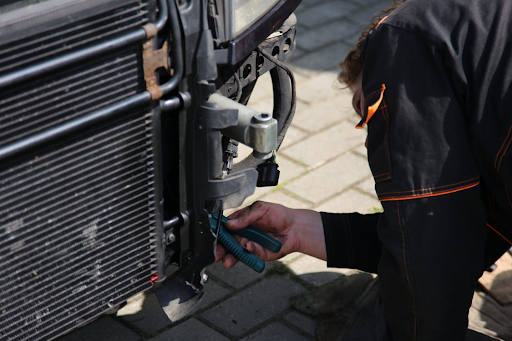
Why Is Your Tata Radiator Leaking? Causes and Fixes

by | Mar 29, 2025 | Blog

Radiators are the silent protectors of every commercial vehicle, working tirelessly to keep engines cool and efficient. When a radiator starts to leak, it can quickly turn a routine day into a stressful one, especially for those relying on their vehicles for business. If you’ve noticed issues with your Tata radiators, understanding the reasons behind leaks and how to address them is crucial for keeping your fleet on the road and your operations running smoothly.

The Hidden Enemy: Corrosion and Its Impact

Corrosion is one of the most common culprits behind radiator leaks. Over time, the constant exposure to heat, moisture, and road salts can cause the metal parts of the radiator to rust. This rust eats away at the radiator’s structure, creating tiny holes and weak spots where coolant can escape. In commercial vehicles, which often cover long distances and face tough conditions, this process can accelerate, making regular checks even more important.

Corrosion doesn’t just affect the radiator itself. It can also damage connected parts like the water pump, hoses, and even the engine block. When rust particles circulate through the cooling system, they can clog up passages and reduce the efficiency of the entire system. This is why it’s important to use the right coolant and replace it at recommended intervals, as old or contaminated coolant can speed up the corrosion process.

Gaskets, Hoses, and Seals: The Weakest Links

While the radiator is the main player in the cooling system, it relies on a network of gaskets, hoses, and seals to function properly. These components are often made from rubber or other materials that can degrade over time. Exposure to high temperatures, pressure, and chemicals can cause them to crack, harden, or become brittle. When this happens, leaks can develop at the joints or along the length of the hoses.

A worn-out gasket between the radiator and the engine can allow coolant to seep out, while a cracked hose can spray coolant under pressure, leading to rapid loss of fluid. Even the radiator cap, which is designed to maintain the correct pressure in the system, can fail. If the cap’s seal is damaged, it may not hold pressure, causing coolant to boil over or leak out.

Signs That Your Radiator Is in Trouble

Detecting a leak early can save you from bigger problems down the road. Some of the most common signs that your radiator is leaking include:

  • Puddles of bright green, yellow, or red fluid under the vehicle
  • A sudden drop in coolant levels in the reservoir
  • Frequent engine overheating, especially during heavy use
  • Visible rust or discoloration on the radiator or nearby parts
  • Steam or a sweet smell coming from the engine bay

If you notice any of these symptoms in your Tata radiators, it’s important to act quickly. Ignoring a leak can lead to engine overheating, which may cause severe damage and expensive repairs.

Quick Fixes and Long-Term Solutions

When faced with a leaking radiator, there are a few options to consider. For small leaks, temporary solutions like radiator sealants or epoxy can be used. These products are designed to plug minor holes and cracks, buying you some time until a proper repair can be made. However, these fixes are not permanent and should not be relied on for long-term use.

For a more lasting solution, it’s best to have the radiator and related components inspected by a professional. A mechanic can identify the exact source of the leak and recommend the right course of action. This might involve replacing a damaged hose, gasket, or even the entire radiator if the damage is extensive. Using genuine spare parts, such as a new radiator, water pump, or hoses, ensures that the repair will last and that your vehicle will continue to perform at its best.

Preventing Future Leaks: Maintenance Matters

Prevention is always better than cure, especially when it comes to radiator leaks. Regular maintenance is key to keeping your cooling system in top shape. Here are some practical steps to help prevent leaks:

  • Check coolant levels regularly and top up as needed
  • Inspect hoses, gaskets, and the radiator cap for signs of wear or damage
  • Flush the cooling system and replace coolant at recommended intervals
  • Use only the correct type of coolant for your vehicle
  • Look for any signs of rust or corrosion and address them promptly

By staying proactive, you can extend the life of your Tata radiators and avoid unexpected breakdowns.

A Broader Perspective on Spare Parts and Reliability

Radiator leaks are just one of the many challenges faced by commercial vehicle operators. The cooling system is interconnected with other vital components like the water pump, engine fan, and cylinder head. When one part fails, it can put extra strain on the rest of the system. That’s why it’s important to use high-quality, original spare parts for all repairs and replacements.

Choosing genuine parts not only ensures a perfect fit but also maintains the reliability and performance of your vehicle. Whether it’s a new radiator, engine gasket, or oil cooler, investing in the right components pays off in the long run by reducing downtime and repair costs.

Keeping Fleets Moving

For people who rely on their commercial vehicles every day, a leaking radiator isn’t just a small issue—it can seriously disrupt business and even put safety at risk. That’s why it’s so important to know what causes radiator leaks, how to spot the early warning signs, and what steps to take when something goes wrong. A little attention today can save a lot of trouble down the road. Regular checkups and using the right spare parts can go a long way in keeping your vehicle running without a hitch.

When it’s time to replace parts, many fleet owners and operators turn to Tata Genuine Parts. Their parts are built for the specific demands of Tata Motors commercial vehicles—whether it’s radiators, hoses, gaskets, or anything else under the hood. With a strong focus on quality and durability, Tata Genuine Parts helps ensure that your vehicle stays on the road, delivering safely and efficiently, day after day.

All Blogs
Blog
The buses used in public transportation run under constant stress. Long routes, a large number of passengers, frequent stop-and-go traffic, and prolonged engine idling cause immense stress on the engines and key engine components. Under such stressful operating conditions, choosing the right lubricants for buses is not merely a maintenance consideration but a performance and cost-effectiveness measure. From our side, we have found that selecting the right lubricants has a direct bearing on engine durability, fuel efficiency, emission control, and reliability of the entire fleet of buses. In the case of high-duty bus operations, the selection of the right lubricants demands a thorough understanding of the operating conditions, the recommendations of the manufacturers, and the performance standards of the lubricants.

Understanding High-Duty Operating Conditions

City and intercity buses rarely operate under ideal conditions. Instead, they fact. Instead, they have to deal with:
  • Non-stop traffic alternating between moving and stopping
  • High engine load because of the number of passengers being carried
  • Extended idling during halts
  • Getting exposed to dust, moisture, and changes in temperature
  • Working for long hours without the engine getting any rest
These factors cause oil to oxidize faster, get contaminated, and stress engine parts. Therefore, 
selecting a lubricant based solely on price or availability often leads to higher long-term costs.

Engine Oil Viscosity: The First Technical Checkpoint

The viscosity of an oil is a measure of its resistance to flow. It affects the oil flow rates at various temperatures. In the context of bus operations:
  • Too thick oil may reduce fuel efficiency and cause cold-start wear.
  • Too thin oil may fail to provide adequate protection under heavy loads.
The engine manufacturer usually recommends that lubricating oils for their heavy-duty diesel engines should be of such viscosities as SAE 15W-40 or 10W-30. However, one should also take into consideration the variation in climatic conditions. In hotter regions, oils with strong thermal stability and high-temperature viscosity retention are essential. Proper viscosity ensures:
  • Reduced friction
  • Stable oil pressure
  • Improved component life

Compliance with Performance Standards

Modern diesel bus engines need lubricants that are capable of being endorsed by international performance standards, for instance:
  • API CK-4
  • ACEA E9
  • OEM-specific approvals
These standards are the limits of carrying capacities for oils in soot control, oxidation resistance, and emission system compatibility. In particular, the use of oils made for modern emission systems in BS6 engines is one of the most practical ways of DPF component protection. If you ignore the recommended standards, the consequences can be deposit formation, increased wear, and warranty issues.

Thermal and Oxidation Stability

High-duty buses often operate for long hours without a shutdown. This continuous operation increases oil temperature and accelerates oxidation. A good quality lubricant should deliver:
  • High resistance to thermal breakdown
  • Sludge prevention
  • Deposit control
  • Stable performance over extended drain intervals
During maintenance assessments, we tend to stress that selecting quality lubricants for buses with established oxidation stability can greatly minimize unscheduled downtime and expensive engine overhauls.

Soot Handling and Detergency

Diesel engines naturally produce soot during combustion. Accumulation of soot in the case of high-duty applications can:
  • Increase oil thickening
  • Cause abrasive wear
  • Reduce fuel efficiency
Active detergents and dispersants in engine oil can efficiently work to keep the soot particles in suspension and thus prevent the formation of sludge. This situation means less engine wear and more engine service life. An engine that is maintained will perform better and be more compliant in terms of emissions.

Fuel Efficiency and Operational Savings

The fuel cost is one of the top factors that determine the size of fleet operating expenses. Advanced heavy-duty engine oils are engineered to reduce the internal friction of engine parts, thus resulting in increased fuel efficiency. By simply having the correct lubricant available and using it, the following can be achieved:
  • Lower fuel consumption
  • Reduced carbon deposits
  • Improved engine responsiveness
Even a small percentage improvement in fuel economy can result in substantial savings when a large fleet of buses runs daily.

Drain Interval Optimization

Changing the oil frequently raises the maintenance costs and also the downtime. On the other hand, extending drain intervals without using a proper oil can severely damage the engines. Choosing lubricants that:
  • High Total Base Number (TBN) retention
  • Strong additive packages
  • Oxidation resistance
This allows safer extension of oil change intervals. Plus, regular oil testing will help you plan the maintenance even better. Workshop visits are reduced, and vehicles are on the roads more often for the fleet operators.

Transmission and Gear Oil Considerations

In addition to the engine oil, the transmission and axle systems in the bus are subjected to heavy torque loads. Therefore, selecting the right gear oil will help:
  • Smooth gear shifting
  • Reduced wear under extreme pressure
  • Better load-carrying capacity
Highly efficient gear oils that are designed for heavy-duty applications will keep the components safe from pitting and scuffing, especially in city driving, where the bus accelerates and brakes constantly.

Environmental and Emission Compatibility

Modern buses operate with very strict emission standards. It is therefore necessary that lubricants be compatible with the after-treatment systems, such as:
  • Diesel Particulate Filters (DPF)
  • Exhaust Gas Recirculation (EGR) systems
Low-SAPS (Sulphated Ash, Phosphorus, and Sulfur) are the formulations that are most helpful in preventing clogging as well as in keeping the emission performance at the desired level. Choosing emission-compatible oils ensures regulatory compliance and avoids expensive component replacements.

Storage and Handling Practices

Even the best lubricant can fail due to improper storage or handling. So, bus grids and fleet operators, among others, should:
  • Keep oils in spots that are clean and dry
  • Stay away from contamination during dispensing
  • Have dedicated storage tanks for bulk supplies
  • Have clear labeling and inventory control
By storing oil properly, its performance characteristics are maintained until it is used.

Partnering with Technical Expertise

Lubricant selection should be based on brand recognition alone. It needs technical evaluation, field testing, and suitability to operational needs. We continuously support fleet operators to:
  • Choose products based on route conditions
  • Check performance through oil analysis
  • Plan preventive maintenance
  • Consider bulk lubricant supply solutions
These measures allow lubrication to become a strategic tool in fleet management rather than just a purchase decision.

Sustaining Performance Across Every Kilometer

Choosing the right lubricants for bus operations will not only determine the lifespan but also the efficiency and cost control. Highly loaded buses require products that are capable of resisting high temperatures, controlling soot, being compatible with emissions, and giving long performance under load. Through technical evaluation, oil analysis, and maintenance optimization, fleet operators can increase reliability dramatically. Apart from offering advanced engine oil for diesel buses, high-performance engine oil heavy duty, and reliable fleet maintenance solutions, expert guidance is crucial if the organization is looking for structured lubrication management. TGP India, with its industry expertise and comprehensive product range, is a reliable partner for long-term operational efficiency and steady performance even in the most challenging bus fleets.
Blog
Commercial vehicles usually operate under heavy loads, travel long routes, and are subjected to rough road conditions. If these vehicles are to keep running efficiently, it becomes necessary to comprehend the truck spare parts list that is behind their performance, safety, and durability. At TGP India, we are in direct contact with fleet operators, logistics companies, and truck owners who always need maintenance on time and are keen on genuine components as a way of reducing downtime and increasing the efficiency of their operations. A well-maintained truck is more than just having powerful engines; it involves several interrelated systems. Understanding the major components is important in planning for preventive maintenance and avoiding unexpected failures.

Engine Components That Power Performance

It goes without saying that the engine is the heart of the commercial vehicle. That is why heavy-duty trucks need strong and durable parts for the engine that can still perform and stay consistent over very long distances. Some of the engine spare parts, which are quite crucial, are:
  • Piston and piston rings
  • Cylinder liners
  • Crankshaft and camshaft
  • Engine valves
  • Fuel injectors
  • Turbochargers
  • Oil pumps and water pumps
With regular inspections and timely replacements of such parts, the engine can run at its best, the emissions will be limited, and the engine will last longer. Even a minor engine problem in a commercial vehicle can lead to a huge loss of productivity. That's why preventive maintenance is a must.

Transmission and Clutch System Parts

The transmission system delivers the power from the engine to the wheels. This is the system that, in case of heavy-duty vehicles, is supposed to handle the engine's extreme torque and the vehicle's weight. Some of the main transmission spare parts are:
  • Clutch plates and clutch boosters
  • Pressure plates
  • Gear sets
  • Propeller shafts
  • Universal joints
  • Differential assemblies
A clutch and gearbox in proper working condition lead to a smoother change of gears, and driving comfort is also enhanced. A worn-out clutch, if replaced and fixed in time, will not only keep the clutch functioning properly but also prevent the gearbox and drivetrain from getting further damaged.

Brake System Components for Safety

Safety always comes first in commercial transportation. The braking system is one of the most important factors in accident prevention and maintaining control while driving, especially when handling heavy loads. The major brake spare parts are:
  • Brake pads and brake shoes
  • Brake drums and discs
  • Brake chambers
  • Master cylinders
  • Air brake valves
  • ABS sensors
Routine checks of the braking system are necessary for maintaining road safety and complying with transport regulations. Commercial vehicles that cover long distances on highways need to have their brakes checked more often because of the wear and tear caused by such activity.

Suspension and Steering Parts for Stability

Suspension and steering systems not only help in maintaining vehicle balance but also make load handling and driver comfort possible. When traveling on rough roads or working at construction sites, these parts are constantly being stressed. Common suspension and steering parts include:
  • Leaf springs
  • Shock absorbers
  • Tie rod ends
  • Kingpins
  • Ball joints
  • Steering pumps
A well-functioning suspension system can evenly distribute the weight and at the same time lower the wear of tires. Timely replacements of parts not only improve vehicle control but also save you money on maintenance in the future.

Electrical and Lighting Components

Nowadays, trucks are very much dependent on electrical systems for performance monitoring and safety. Despite their importance, electrical spare parts are often neglected or ignored. The key electrical components are:
  • Alternators
  • Starter motors
  • Batteries
  • Wiring harnesses
  • Headlights and tail lamps
  • Sensors and relays
Electrical problems may bring about a sudden vehicle breakdown or cause you to have issues with compliance, especially if the lighting system is involved. Regularly inspecting these parts ensures they work steadily.

Cooling and Lubrication System Parts

Heavy-duty engines produce a huge amount of heat. If there is no proper cooling and lubrication system, the engine will not be able to perform even at a satisfactory level. Some important spare parts that can be considered as a first line of defense include:
  • Radiators
  • Cooling fans
  • Thermostats
  • Oil filters
  • Air filters
  • Fuel filters
Efficient engines and lower repair costs can be obtained if the filters are clean and the radiator is in good condition. Fleet managers often prioritize these components as part of preventive servicing schedules.

Body and Cabin Components

Mechanical parts can provide the necessary power, but the body and cabin parts are what make the driver comfortable and your vehicle durable. Among them are:
  • Bumpers
  • Mirrors
  • Cabin panels
  • Seats
  • Wiper systems
  • Door locks
These components do indirectly impact the engine, and they are also concerned with it.

Why a Structured Approach to Spare Parts Matters

A comprehensive truck spare parts list is a valuable tool for fleet owners and workshop managers. They contribute to maintenance planning. In such a way, businesses no longer have to be at the mercy of breakdowns. Also, part replacements can be more appropriately scheduled by basing them on the actual usage and service intervals. According to our practice, keeping proper inventory control and using high-quality truck components can reduce downtime to a great extent. Besides, it also ensures that commercial vehicles are within the safety and compliance standards. The vehicle's working life gets a big boost when parts are both responsibly sourced and perfectly fitted. Understanding the interconnection between the systems engine, transmission, brakes, suspension, and electricals allows a company to decide wisely about repairs and replacements. This approach of working increases the reliability and operational efficiency of fleets.

Keeping Commercial Vehicles Road-Ready with the Right Knowledge

Decisions influence on the commercial transport industry. Having access to a detailed truck spare parts list ensures that maintenance teams can identify critical components quickly and avoid operational delays. TGP India is a customer-centric company that concentrates on dependable source locating, supply chain management, and the provision of commercial vehicle spare parts of the first necessity. By integrating the knowledge of the industry with the standards of quality, we enable the business to run its vehicles without causing interruptions to performance. Businesses that are interested in improving their maintenance program can, through further examination, discover heavy-duty truck parts, commercial vehicle spare parts, truck engine parts, genuine parts for trucks, and fleet maintenance services, which will level up the operational results substantially. Being preventive in spare parts management is a measure that not only keeps the assets safe but also results in higher profitability and safer driving in the long run.
Blog
Modern fleet operations revolve heavily around the performance, efficiency, and regulatory compliance of vehicles. With emission laws getting progressively more stringent, the maintenance of your diesel exhaust fluid system is no longer just an option; it has become essential for keeping your vehicles compliant and roadworthy. Fleet managers, by implementing a well-organized maintenance schedule, can effectively cut down vehicle downtime, prevent high costs of repairs, and have a smooth flow of daily operations. At our end, we collaborate intensively with transporters, logistics enterprises, and industrial fleets to assist them in rationalizing their fluid management operations without compromising their operational excellence. Here are some of the finest practices that each fleet operator should have at their fingertips.

Understanding the Role of DEF in Fleet Performance

The Selective Catalytic Reduction (SCR) has gradually become the standard technology for emission control in diesel-powered vehicles. It helps in drastically cutting down the ejection of nitrogen oxides (NOx) by the vehicle through a chemical reaction facilitated by a solution that is towards the exhaust stream. When it is properly stored and used, DEF:
  • Complies with the BS6 emission norms
  • Lowers toxic NOx emissions
  • Maintains engine health
  • Avoids vehicle slowdowns and breakdowns
However, storage under wrong conditions, contamination, or sporadic refilling can harm the overall fleet performance. It is, therefore, very necessary to have a maintenance plan that is always a step ahead.

Store It Right to Maintain Quality

Improper storage is one of the most common causes of DEF-related issues. Because the solution is sensitive to temperature and contamination, storage conditions must be controlled. Keep in mind these:
  • Store between 5°C and 25°C for optimal shelf life
  • Never expose your product to direct sunlight
  • Use only closed and contamination-free containers
  • Stay clear of any contact with dust, dirt, or fuel residues
Temperature variations can also reduce the effectiveness of the solution on the SCR system. The use of high-quality fluid and clean storage tanks is a simple but effective preventive measure.

Monitor Consumption and Refilling Schedules

Your vehicles will consume DEF at varying rates depending on the load, operating conditions, and engine displacement. On average, consumption is about 3-5% of diesel fuel. Fleet managers ought to:
  • Track consumption for each vehicle
  • Coordinate refilling schedules with fuel stops
  • Follow up on dashboard alerts
  • Keep consumption logs
For larger fleets, automated tracking systems and telematics can make things easier and help avoid emergency refills that cause route disruptions.

Prevent Contamination at All Costs

Contamination might lead to SCR components getting severe damage, thus requiring expensive repairs. Even minimal amounts of dirt, fuel, or tap water can compromise system efficiency. The best ways to prevent include:
  • Only use the dispensing equipment that has been designated
  • Train the employees on safe handling procedures
  • Never use containers for fuel that have been used before
  • Conduct periodic inspections of storage tanks
Your regular audits of the process of handling your fluids can stop your operational losses in the long run.

Integrate DEF Maintenance into Fleet Service Plans

Rather than treating DEF as a single task, it is part of the whole strategy of fleet preventive maintenance planning. A few examples of what you can do at the time of regular maintenance:
  • Assess the SCR system
  • Check the injector lines
  • Confirm the quality of the fluid
  • Look for sediment in the storage tanks
Using high-quality diesel exhaust fluid is a guarantee for stable emission control and also reduces the chances of the system malfunctioning unexpectedly. Scheduled visits for the fleet are an occasion to run preventive checks that lead to less downtime and, in general, a more reliable fleet.

Train Drivers and Ground Staff

Even the most advanced technologies will not work if they are not handled properly. Driver awareness is a very important factor in achieving compliance and preventing breakdowns. Key training areas:
  • Understanding dashboard DEF alerts
  • Refilling procedures
  • Identifying contamination signs
  • Reporting unusual exhaust performance
When drivers are familiar with the working of SCR systems, they are less likely to wait for problems to escalate before seeking help.

Maintain Proper Inventory Planning

Apart from inconvenience, running out of DEF can cause vehicles to enter limp mode or refuse to restart after shutdown. Inventory planning is essential for very large fleets that operate in different locations. To optimize supply:
  • Maintain buffer stock
  • Partner with reliable suppliers
  • Use bulk storage solutions for cost efficiency
  • Standardize procurement across fleet hubs
Bulk storage systems and structured delivery models can significantly lower operational costs while ensuring uninterrupted supply.

Conduct Periodic Quality Testing

Performing routine quality checks helps you keep your idling fleet away from poor-quality products. Always make sure that the solution meets ISO 22241 standards and is from certified manufacturers. Regular testing helps you:
  • Detect contamination early
  • Verify purity levels
  • Prevent SCR damage
  • Ensure compliance with emission laws
Quality assurance must be one of your regular practices, especially if you run a fleet of heavy commercial vehicles.

Leverage Professional Support and Supply Infrastructure

As a fleet grows, managing DEF can become complicated without a structured support system. Operations become easier, and risks are minimized with the help of dependable supply chains, bulk distribution models, and on-site storage solutions. We have observed that fleets are greatly helped by:
  • On-site storage installation
  • Scheduled bulk delivery
  • Technical consultation
  • Compliance guidance
Great results come from organizing your approach, whereby emission management becomes a natural process rather than a forced one.

Operational Efficiency Begins with Smart Fluid Management

Efficiency, compliance, and cost control are the main drivers behind fleet operations today. In this context, structured handling of Diesel Exhaust Fluid (DEF) is one of the key factors that can help achieve these goals. Through a combination of proper storage practices, staff training, quality monitoring, and preventive servicing, fleet operators not only lower the frequency of breakdowns but also enhance the long-term reliability of their vehicles. We at TGP India assist fleet operators in emission management by providing reliable supply solutions along with technical expertise. When businesses adopt practices in SCR system maintenance, bulk DEF supply, fleet emission compliance, NOx reduction technology, and BS6 commercial vehicle servicing in a holistic manner through integration, they get a resilient and future-ready fleet infrastructure. Sustainable operations are no longer about just complying with regulations; it is about creating systems that will deliver performance, safety, and long-term growth. Once the right processes are established, fluid maintenance is no longer just another task; it becomes a strategic competitive advantage.
Load More