


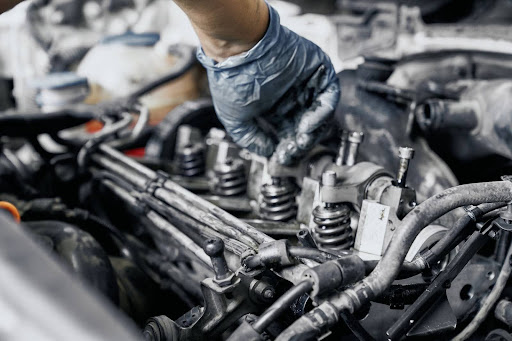
An automobile engine is a complex system consisting of hundreds of components that work at a high speed in extreme heat and pressure conditions. At the heart of this complex system is engine oil, which works tirelessly to perform several critical tasks that make automobile engines reliable and efficient. From our point of view as lubrication experts, engine oil is more than a consumable item; it is a protective barrier that shields automobile engine parts from wear, deposits, and mechanical stress from the very first ignition.
Why Engine Protection Begins with Lubrication
Each time an engine starts, metal parts come into contact with each other before the engine reaches its optimal operating temperature. Even this initial stage can cause permanent damage to the engine if it is not properly lubricated. Engine oil creates a thin yet resilient barrier between moving engine parts to prevent direct contact between metal surfaces. This protective barrier is particularly important for engine parts such as pistons, crankshafts, camshafts, and bearings, which are constantly subjected to friction.
Engine oil does more than just prevent friction between engine parts. It also helps to stabilize engine performance. A well-lubricated engine runs smoother, responds better under load, and maintains consistent power delivery, especially during long drives or stop-and-go traffic conditions.
Managing Heat Inside the Engine
Combustion produces very high temperatures, and although the cooling system is responsible for getting rid of some of this heat, engine oil is just as important. Oil absorbs heat as it moves through the engine and automobile ries it away from areas that coolant can not reach by itself.
This function of oil helps to:
- Avoid the overheating of internal parts.
- Keep the oil viscosity stable when the temperature rises.
- Reduce thermal stress that can deform or weaken parts
When engine oil is working properly, the internal components are basically protected against excessive heating, even when the engine is heavily loaded.
Keeping the Engine Clean from Within
Various contaminants, like automobile bon deposits, soot, and tiny metal particles, are naturally formed inside the engine. If these contaminants are ignored, they will eventually accumulate on internal surfaces and limit the movement of parts. The latest engine oils contain detergents and dispersants that continuously clean the oil by catching and holding the impurities until an oil change gets rid of them.
This cleaning from inside plays a major role in safeguarding those automobile engine parts that depend on the clearance between the parts to be very accurate. Besides, properly sealed engine parts can achieve better sealing, and the engine will serve its lifespan without a drop in performance.
How Engine Oil Supports Sealing and Power Consistency
The role of engine oil extends beyond lubrication and cleanliness as it contributes significantly to engine sealing and power output stabilization. The stable oil film assists in filling the tiny gaps between the moving parts, particularly at the piston rings and cylinder walls. This not only makes the combustion more efficient due to better compression but also saves energy, which is then reflected in the engine’s reliable performance over time.
Some of the major ways in which engine oil helps sealing and power balance are:
- Enabling piston rings to form an effective seal against the cylinder walls
- Reducing blow-by, where unburnt gases escape into the crankcase
- Facilitating uniform combustion for enhanced engine response
- Decreasing vibration and noise caused by the irregular movement of components
When engine oil does its job well, it helps in maintaining the smooth operation of various key systems, which helps to ensure engine reliability without putting additional stress on the engine’s internal components.
Protection Against Corrosion and Oxidation
Corrosion and oxidation can be major problems leading to the deterioration of an engine’s internal components. When a vehicle is not used regularly or is only driven for short distances, it’s prone to collect moisture, fuel residues, and air, which is the main reason for corrosion. Engine oil is capable of forming a layer on metal surfaces, which prevents the formation of rust and the metals from reacting chemically.
Additionally, high-quality oils resist oxidation, which prevents oil thickening and sludge formation. With such a high level of resistance, oil can continue to run inside the engine without any problem and reach all the parts that are most vulnerable without any restriction.
Supporting Engine Longevity and Efficiency
Engine wear is a gradual process, but the right lubrication strategy can slow it significantly. Engine oil helps to extend the life of major systems by reducing friction, controlling deposits, and stabilizing operating temperatures.
Engines that are kept in good condition by regular and timely oil changes and monitoring will definitely run efficiently. Lower friction means less energy is wasted inside the engine, which in turn makes the engine run smoothly and saves more fuel over time. Regular oil monitoring and timely replacement are, therefore, key practices in responsible vehicle ownership.
Understanding Oil Performance Across Driving Conditions
Different conditions demand different performance levels from engine oils. Congested city traffic, long highway cruising, automobile carrying heavy loads, and extreme temperatures are all very different scenarios that affect oil performance. Therefore, the quality, formulation, and consistency of the oil become just as important as the intervals at which the oil is changed.
Engines subjected to:
- Short, frequently repeated trips create a strong need for control
- Thermal stability is the requirement of high-speed driving
- Wear resistance enhancement for heavy-duty usage
Choosing the oil that fits the actual usage will result in the vehicle getting the right amount of protection, whatever the changes in conditions.
A Long-Term View on Engine Automobile
The essential function of engine oil is to prevent damage rather than fix it. It works continuously in the background, protecting surfaces that are never visible but always essential. If the engine oil does its role efficiently, the automobile engine parts stay protected, in balance, and capable of providing reliable performance for many years.
From our experience in providing lubrication solutions, we believe informed engine care begins with understanding how oil works inside the engine and why quality matters. By concentrating on good lubrication habits and dependable formulations, backed up by well-known brands such as TGP India, the vehicle owners are guaranteed not only performance but also gaining useful knowledge about engine oil, automotive lubricants, automobile engine maintenance, synthetic engine oil, and oil change intervals that are instrumental in ensuring the long life of the engine.